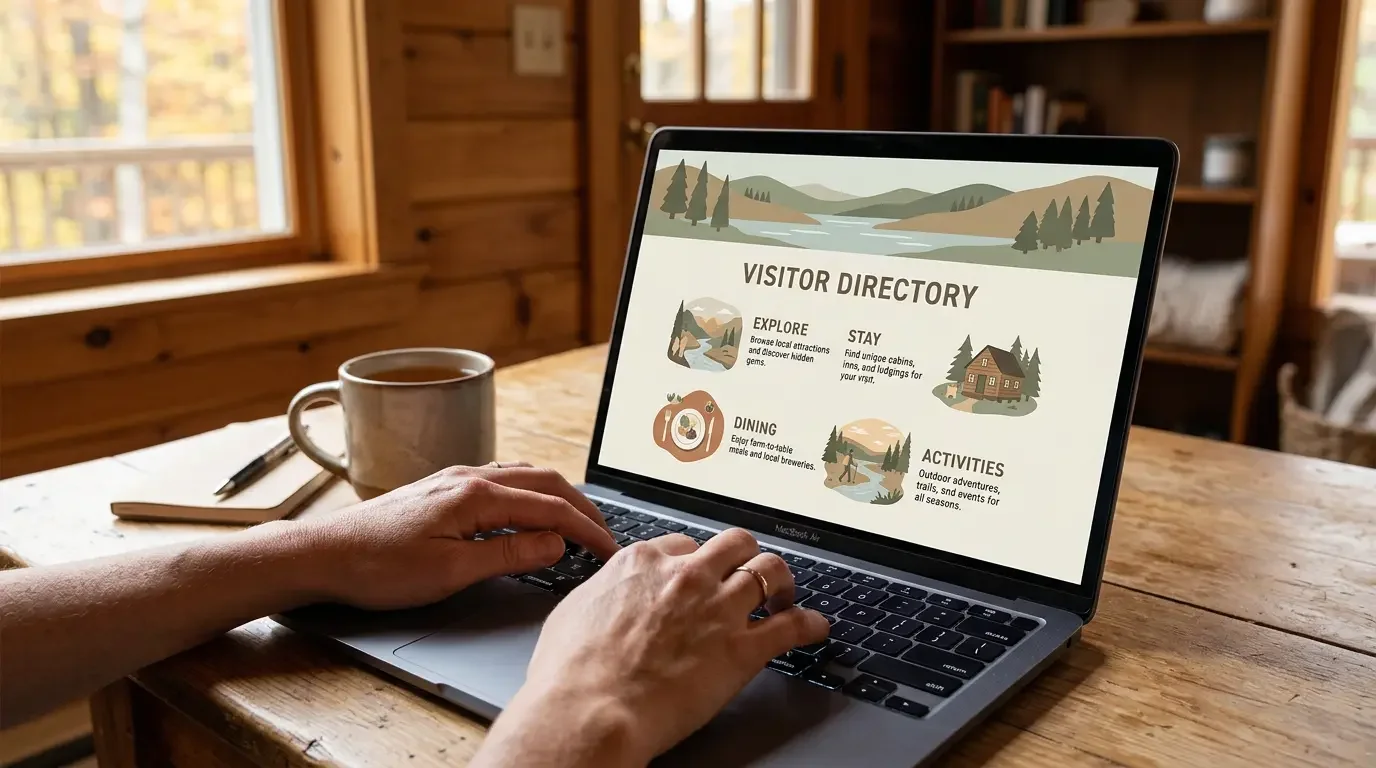
Most regional and state tourism sites will list an independent short-term rental for free if you ask. The listing is a backlink from a source AI engines and Google both trust, and most hosts never send the email that gets it.
Why This Is Worth an Afternoon
A tourism board listing does two things a social post can't. It's a backlink from a .gov, .org, or established regional domain — the kind of third-party citation search engines and AI answer engines weight heavily when they're deciding whether to trust and surface a property. And it puts your name in front of someone actively planning a trip to your area, before they've opened Airbnb at all.
None of that requires giving up any commission. A tourism board isn't a booking platform. It's a directory, and directories that outrank you in search are doing you a favor if your listing sits inside them.
What You're Actually Getting
A backlink from a domain with real authority — most regional tourism sites rank for the searches you're trying to win.
Placement in front of travelers who are researching the area, not scrolling OTA listings by price.
A citation source AI Overviews and chat-based search pull from when someone asks where to stay near your area.
In some cases, inclusion in the board's own newsletter, seasonal guide, or press outreach — free exposure you didn't have to produce.
Where to Look
There's more than one tier of organization that might list you, and most hosts only think of the first one.
1. State tourism office — the broadest net, and often the slowest to update, but worth the application.
2. Regional or county tourism association — usually the best fit for an independent host; smaller audience, closer match to your actual guest.
3. Local chamber of commerce — not just for retail businesses; many chambers maintain a lodging page.
4. Park-adjacent or destination-specific organizations — if your property sits near a national park, a ski area, a wine region, or a lake, that organization's visitor site is often a stronger fit than the state-level one.
A five-minute search for "[your region] tourism" or "[your county] visitors bureau" usually surfaces the right target. If nothing turns up, the chamber of commerce is almost always a safe fallback — nearly every town has one.
What to Send
Tourism boards aren't reviewing applications the way an OTA reviews a listing. Most want five things, and most will list you off one email:
Property name and direct booking URL
A short description — two or three sentences, not your full listing copy
Two or three photos, sized for web
Address or general area (some boards ask for exact location, some don't)
A contact name and email
Keep the email short. Say what the property is, where it is, and that you'd like to be included in their lodging or accommodations listing. Most associations answer within days, not weeks — the slow part is almost never their end.
A template you can send today
Subject: Adding [Property Name] to your lodging directory
Hi [name],
I run [Property Name], a [one-line description — e.g. "two-bedroom cabin near Mount Rainier"] in [town/region]. I'd like to be included in your visitor or lodging directory if there's a process for that.
Property site: [URL]
Location: [town, county]
Photos attached: [2–3]
Happy to send anything else you need. Thanks for your time.
[Your name]
[Phone/email]
That's the whole email. Don't attach a press kit or a full listing description on the first message — send what they asked for once they ask for it.
What Not to Do
Don't mass-email every tourism board in the state from one template with the county swapped in. Associations talk to each other more than hosts expect, and a form-letter blast reads exactly like what it is.
Don't send your full OTA listing copy. It's written for a booking decision, not a directory entry, and most boards want two or three sentences, not two hundred words.
Don't wait for a "perfect" property update — new photos, a renovated bathroom — before reaching out. The listing can be refreshed later. The backlink doesn't need to wait.
What Actually Slows This Down
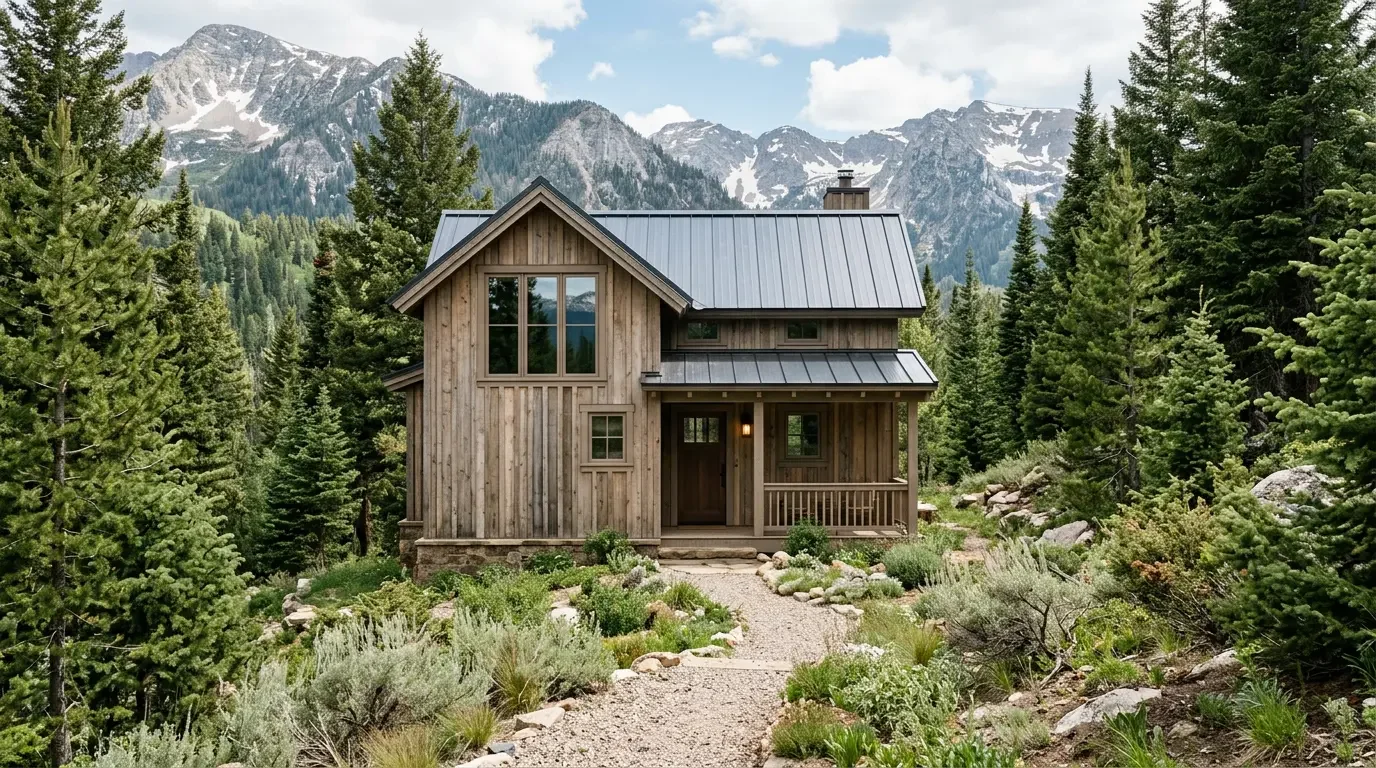
At Fjellsangin, Visit Rainier had the cabin listed at launch, in December 2025 — not because the process moved fast, but because Jennifer already knew the marketing director there and skipped the cold outreach entirely. That's the version of this that goes fastest: a warm introduction instead of a form.
Every other tourism association didn't go live until April or May 2026 — four to five months after opening. None of that gap was the associations being slow. It was Fjellsangin not sending the applications sooner. Once each one was actually contacted, the pattern was the same every time: a short email, a quick reply, and a live listing within days. No back-and-forth, no additional paperwork, no waiting on a board meeting or a quarterly review cycle.
The lesson that's worth taking into your own launch or relaunch: this is a same-week task, not a someday task. Build the list of every tourism board, chamber, and destination organization within reach of your property before you need the traffic, not after. It costs an afternoon. The four months Fjellsangin lost cost four months of a backlink and a citation that could have been working the whole time.
Where This Fits in Your Bigger Visibility Plan
A tourism board listing is one citation. It works best alongside the other free citation sources — your Google Business Profile, local press, and any partner or vendor who'll link back to you — not as a stand-alone fix.
If you haven't built the citation layer of your visibility plan yet, Why AI Search Doesn't Know Your Vacation Rental Exists walks through the rest of it.
FAQ
Do tourism boards charge a fee to list your property?
Most regional and county tourism associations list independent properties for free. Some state-level tourism sites or chambers offer a paid membership tier with extra placement, but the basic listing is rarely gated behind a fee — check before assuming you need to pay.
How long does it actually take to get listed?
Once you send the application or email, most associations respond and list the property within days to a couple of weeks. The delay hosts usually run into isn't the review process — it's not having sent the request yet.
What if there's no tourism association for my exact area?
Go up a level. If there's no city- or county-specific organization, the state tourism office and the nearest chamber of commerce almost always exist and almost always maintain a lodging directory.
If your listing is solid but nobody outside the OTAs knows your property exists yet, the STR Starter Audit looks at your whole guest journey — website, listing, and visibility — and tells you honestly what's actually costing you direct bookings.